
Recently, CVTE (002841.SZ) released its 2025 Environmental, Social, and Governance Report, disclosing the company's ESG performance and achievements for the year. In terms of structure, the report aligns with the Shenzhen Stock Exchange's Sustainability Reporting Guidelines, GRI Standards, and the UN SDGs, and has engaged a third party for independent assurance, demonstrating a relatively high level of standardization and completeness. However, from the perspectives of information quality and depth of disclosure, the report still exhibits certain characteristics of a "presentation-oriented" approach.
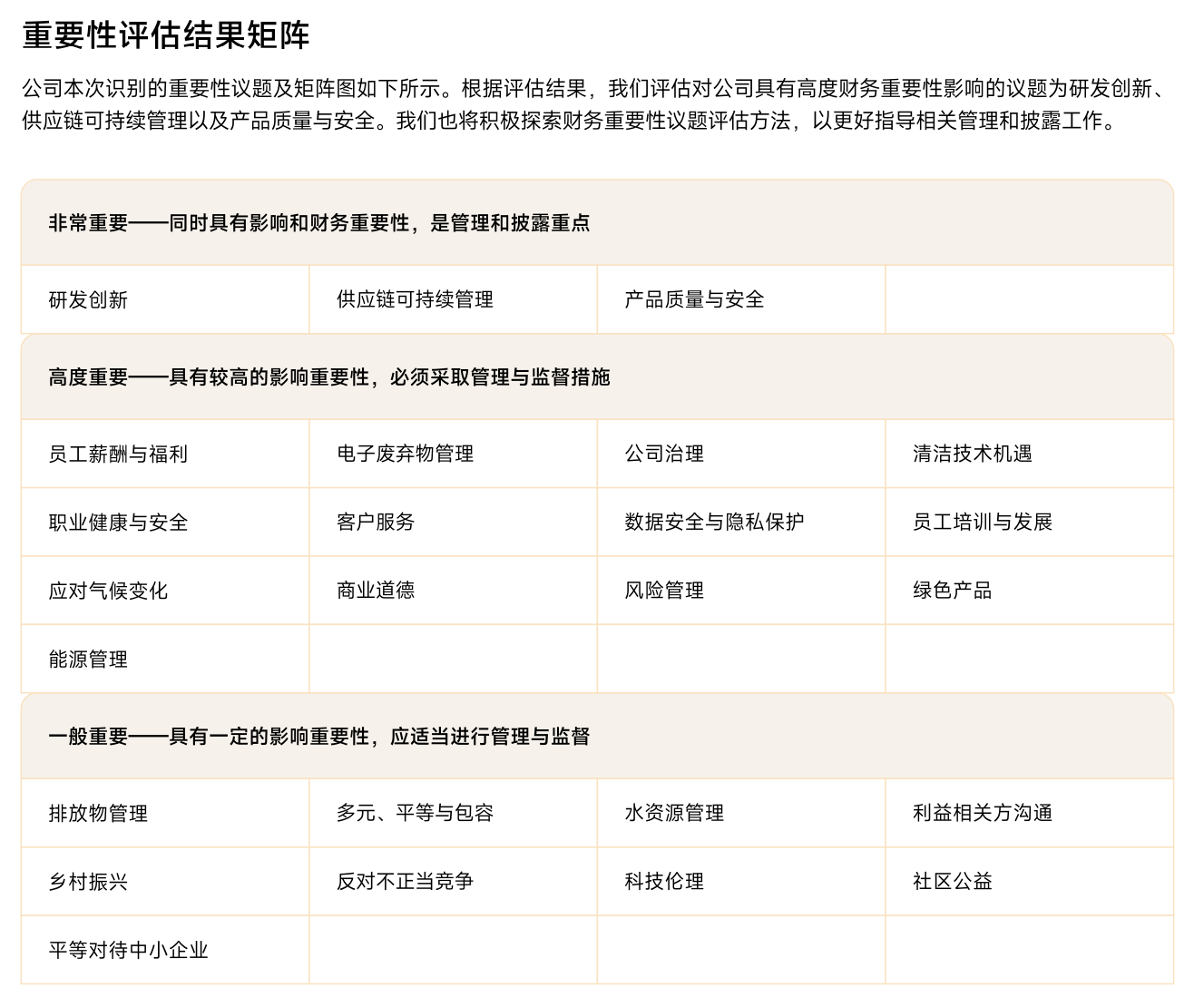
During the reporting period, the company conducted an assessment and analysis of material sustainability topics, identifying R&D and innovation, sustainable supply chain management, and product quality and safety as issues with high financial materiality for the company.
Governance Dimension
The governance section covers corporate governance, risk management and control, anti-commercial bribery and anti-corruption, and intellectual property and trade secret protection. The company has established an ESG governance structure with the Board of Directors and the Board's Strategy and ESG Committee as the decision-making layer, the ESG Management Committee as the management layer, and the ESG Execution Team as the implementation layer. Furthermore, ESG strategic objectives have been integrated into the executive performance management system.
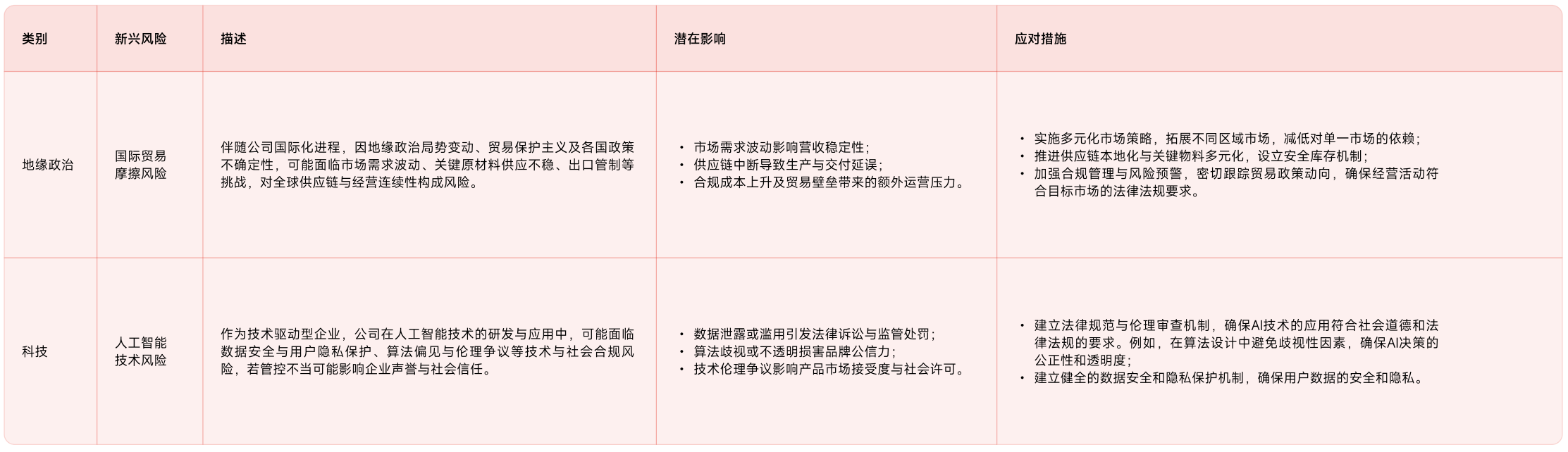
Regarding risk management, the company identified and assessed the principal risks in its current operations. Concurrently, it conducts regular identification and assessment of emerging risks, pinpointing two emerging risks that could materially impact the company's long-term development: international trade friction risk and artificial intelligence technology risk.
Environmental Dimension
As of the end of the reporting period, the ISO 14001:2015 Environmental Management System certification covered the company's major operational sites. Notably, the refrigeration room of the Guangzhou Intelligent Manufacturing Factory was rated at the national "Leading Level" for High-Efficiency Refrigeration Room Systems, achieving annual electricity savings of approximately 4.4 million kWh—equivalent to a reduction of about 2,335 tons of carbon emissions. The photovoltaic power generation system continued to expand, with annual power generation increasing by 128% year-on-year. On the product side, 26 models of interactive intelligent flat panel displays have obtained third-party carbon footprint certification. Eco-friendly paint-free processes, recycled materials, and high-efficiency display technologies are being widely adopted.
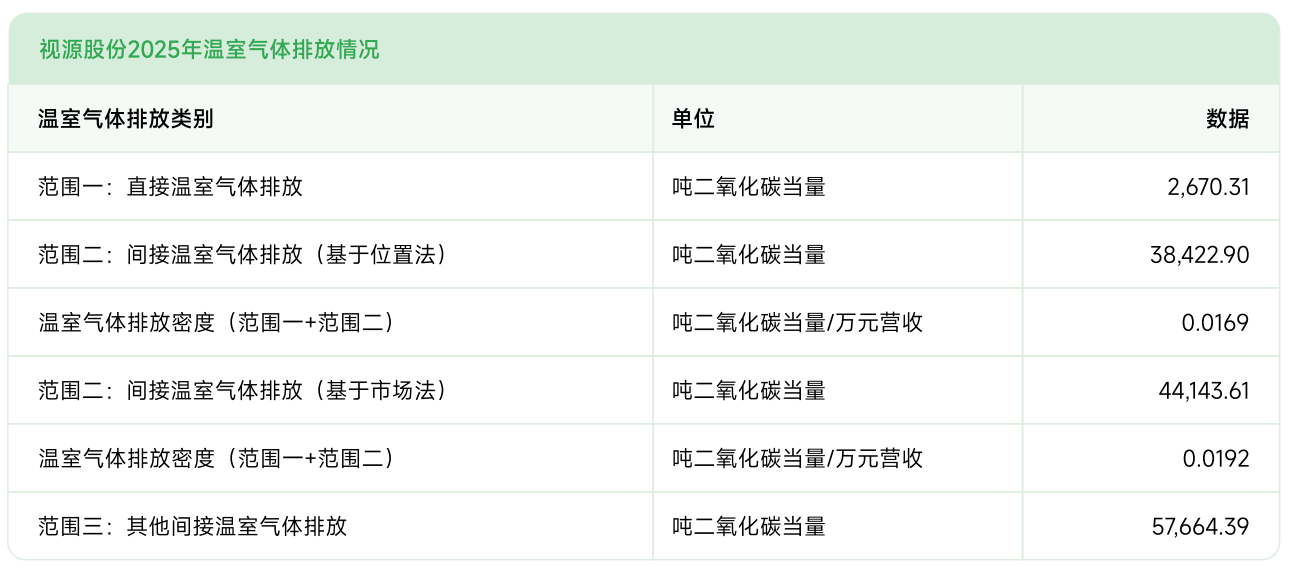
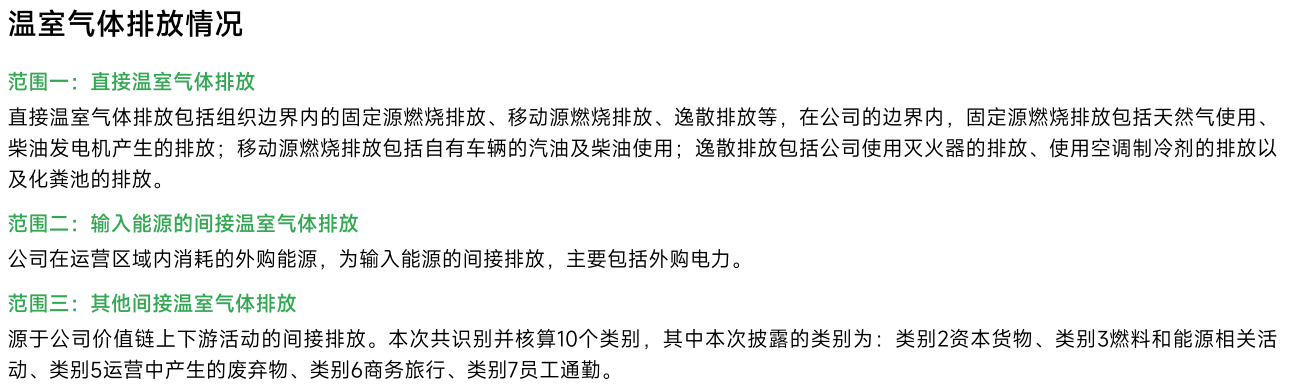
Additionally, the company has set strategic goals to "peak operational carbon emissions by 2030 and achieve carbon neutrality in operations by 2050." It has identified climate-related risks and opportunities and conducted greenhouse gas (GHG) inventory work, disclosing Scope 1, Scope 2, and Scope 3 emissions data. However, it has not yet set science-based carbon targets or a specific phased emission reduction roadmap. Scope 3 emissions currently cover only five categories, indicating room for improvement in the comprehensiveness of its carbon management system.
Social Dimension
The social section of the report covers R&D and innovation, product quality management, customer responsibility, employee care, and social contributions.
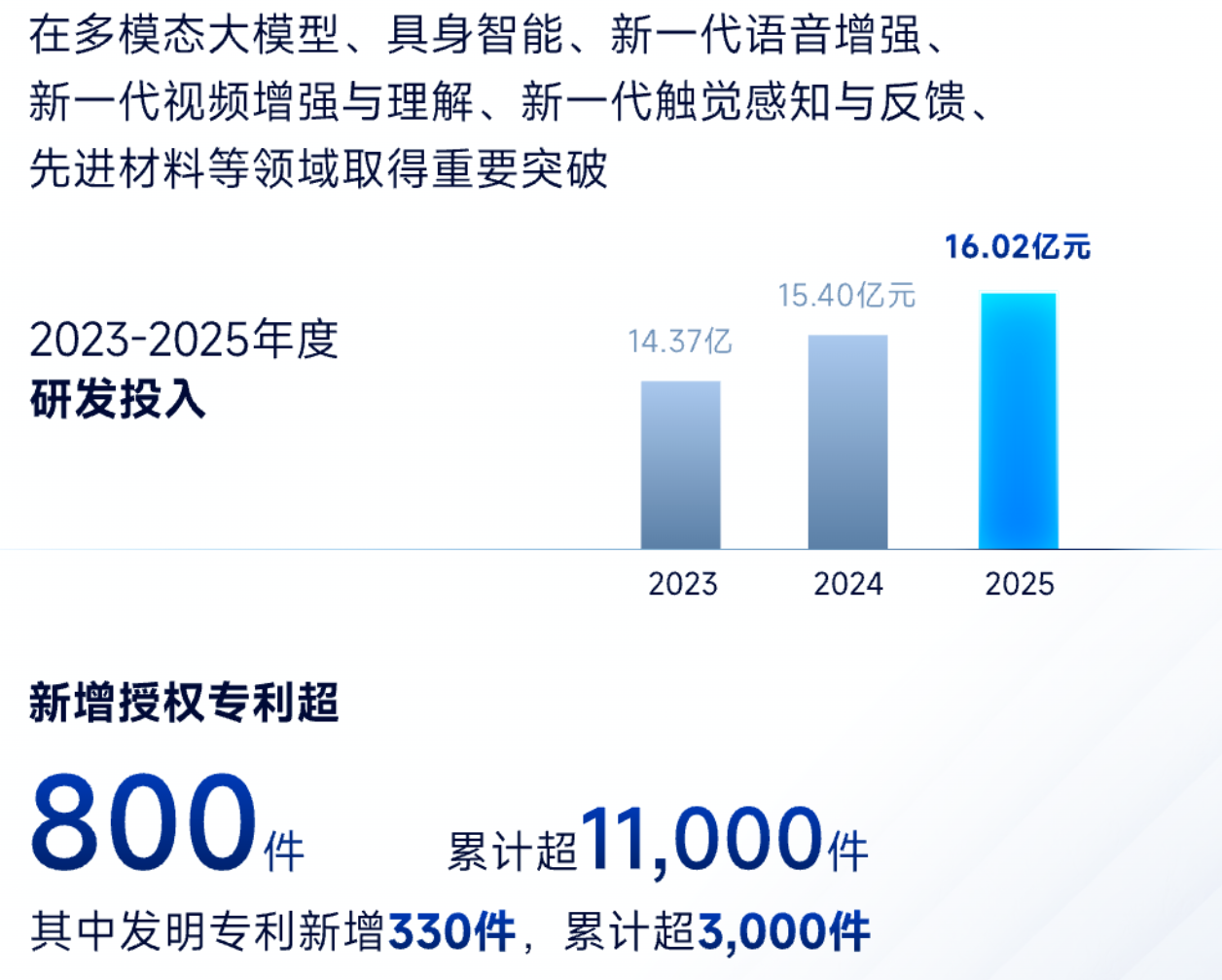
In terms of R&D and innovation, the company invested 1.602 billion yuan in R&D in 2025, representing a 4% year-on-year increase and accounting for 6.58% of total operating revenue. As of the end of the reporting period, the company had 3,730 technical personnel, constituting approximately 55.47% of its total workforce. Over the past year, the R&D team focused on core technology areas such as artificial intelligence, display technology, audio/video, and robotics, achieving a series of significant breakthroughs. For instance, multimodal fusion technology improved speaker identification accuracy by 30%, reaching an industry-leading level. Industrial-grade quadruped robots and intelligent flexible robotic arms were successfully deployed in practical applications.
Regarding supply chain management, as of the end of the reporting period, the company had 1,803 Tier-1 suppliers, among which 177 core suppliers accounted for 80% of total procurement value. The report disclosed that in 2025, the company completed on-site assessments of 257 key suppliers, of which 23% were significant Tier-1 suppliers. For the 10 suppliers identified with potential adverse impacts, 100% were required to formulate and implement corrective actions or improvement plans.
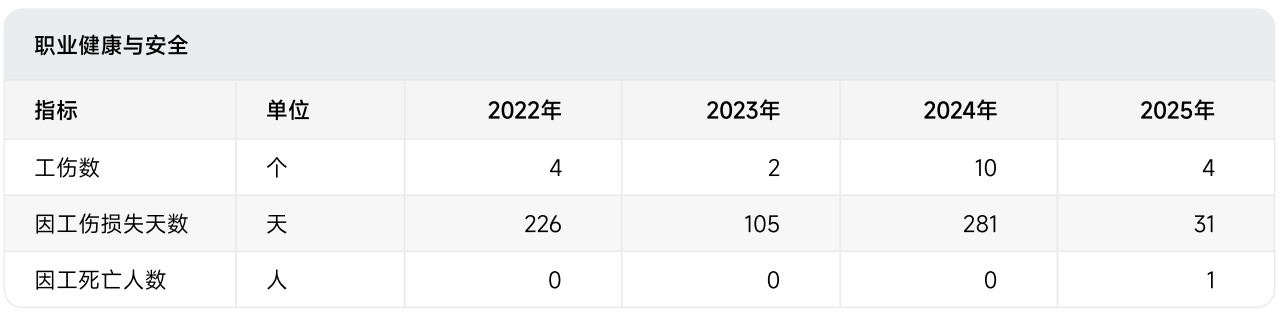
One notable point is that while previous ESG reports had disclosed a "100% employee physical examination coverage rate" for several consecutive years, this metric did not appear in the 2025 report. Although the report continues to mention employee health check-up benefits, it does not explain the change in disclosure methodology, somewhat affecting the continuity and comparability of this indicator. Furthermore, the key performance indicator table in the report's appendix shows that the "number of work-related fatalities" changed from zero in previous years to one, but the main body of the report lacks supplementary explanation regarding this incident. This impacts, to some extent, the transparency of the report on occupational health and safety matters.
In addition, the company remains committed to deeply integrating its professional expertise with social welfare practices. As of the end of 2025, the cumulative investment in the Seewo Public Welfare Project (including the Seewo Teacher Digital Capability Enhancement Support Project) amounted to approximately 198 million yuan, covering 31 provinces (autonomous regions and municipalities), benefiting 427,000 teachers and 665,000 students.
Overall, CVTE's 2025 ESG Report has reached a high level in terms of compliance and structural completeness. However, from an information quality standpoint, the report remains largely at the stage of "activity presentation," with insufficient disclosure of negative information and limited depth on certain core issues. The continuity and comparability of some key indicators are weak, and abnormal fluctuations lack adequate explanation. There remains room for improvement in the company's ESG information disclosure practices.
Author:Qinger




 Room 1808,Wayson Commercial Building, 28 Connaught Road West, Sheung Wan, Hong Kong.


